


EBRD boosts secure and sustainable water supply in Egypt

The European Bank for Reconstruction and Development (EBRD) is extending a senior loan of up to EGP 350 million (€6.4 million) to Ridgewood for Water Desalination (RWD), a Hassan Allam Utilities company, to support Egypt’s water security goals through sustainable infrastructure development.
The financing to RWD will fund the construction of new small-scale desalination plants and upgrade of existing facilities along Egypt’s Red Sea and Mediterranean coasts.
These new facilities will help RWD to deliver a reliable water supply to key sectors of Egypt’s economy, such as tourism and industry, which currently lack access to municipal water owing to the country’s regulatory regime. The investment will also improve operational and energy efficiency, while supporting the company’s growth and diversification.
Egypt faces significant water scarcity, namely an annual deficit of around 7 billion cubic metres, with the Nile River accounting for 97 per cent of its freshwater resources. Population growth, climate change and regional pressures have intensified the need for a sustainable water supply.
Expanding desalination capacity, through public-private partnerships and private investment, will help to meet this need and enable the use of renewable energy, ensuring resilience and sustainability.
The upgraded central water stations and new standalone plants are expected to add a desalination capacity of approximately 10,000 to 15,000 cubic metres a day.
Ridgewood for Water Desalination is an Egypt-based company, incorporated in 1999, that provides desalinated water to private-sector clients in the coastal areas of Egypt.
Egypt is a founding member of the EBRD. Since the start of the Bank's operations in the country in 2012, the EBRD has invested almost €13.9 billion in 209 projects across the economy.

Most Read


Other News
 ARDI and TravelVerse Announce Partnership to Create a Digital Ecosystem for Tourism in Georgia
01.04.2026.10:00
Insurance company ARDI and TravelVerse, the official representative of 1World Online in Georgia, have partnered to develop the tourism sector with integration of digital services for tourists in Georgia.
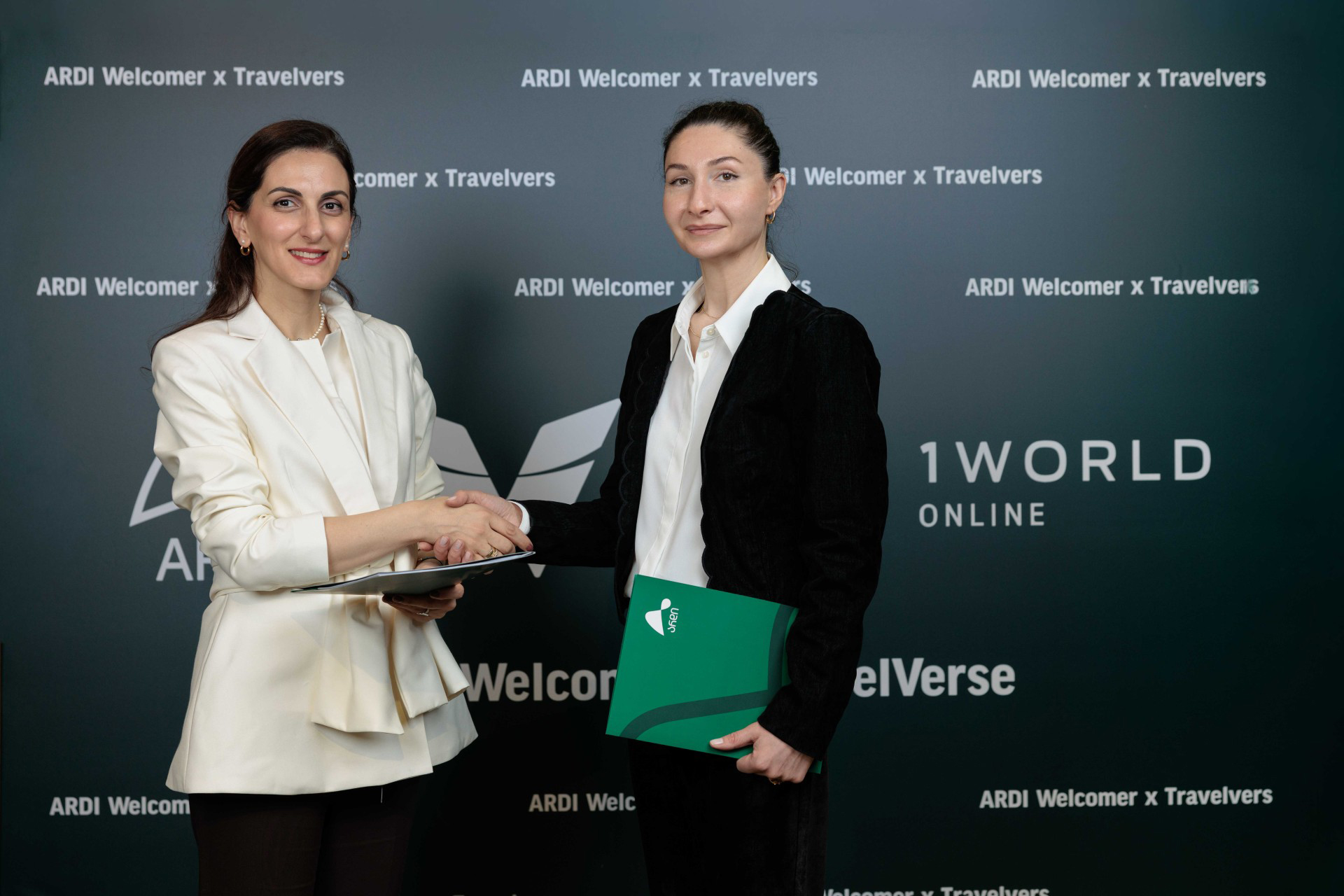
TravelVerse operates an international digital platform providing visitors with an engaging, user-tailored travel digital layer. Users can enter the platform via:
travelverse.short.gy/georgia or through QR code.

TravelVerse connects tourism services, hotels, and local businesses in one digital space. Users access tours, dining, accommodations, and service providers from planning through departure.
Through this partnership, TravelVerse users access ARDI's "Welcomer" travel insurance policy directly via the platform. The insurance offering integrates through QR codes in hotels, airport touchpoints, and platform channels, creating a safe and comfortable experience for tourists throughout their stay in Georgia.
The TravelVerse ecosystem includes both international branded and boutique hotels, including Holiday Inn, Hilton, Wyndham, Golden Tulip, Radisson, Afisha, and others.
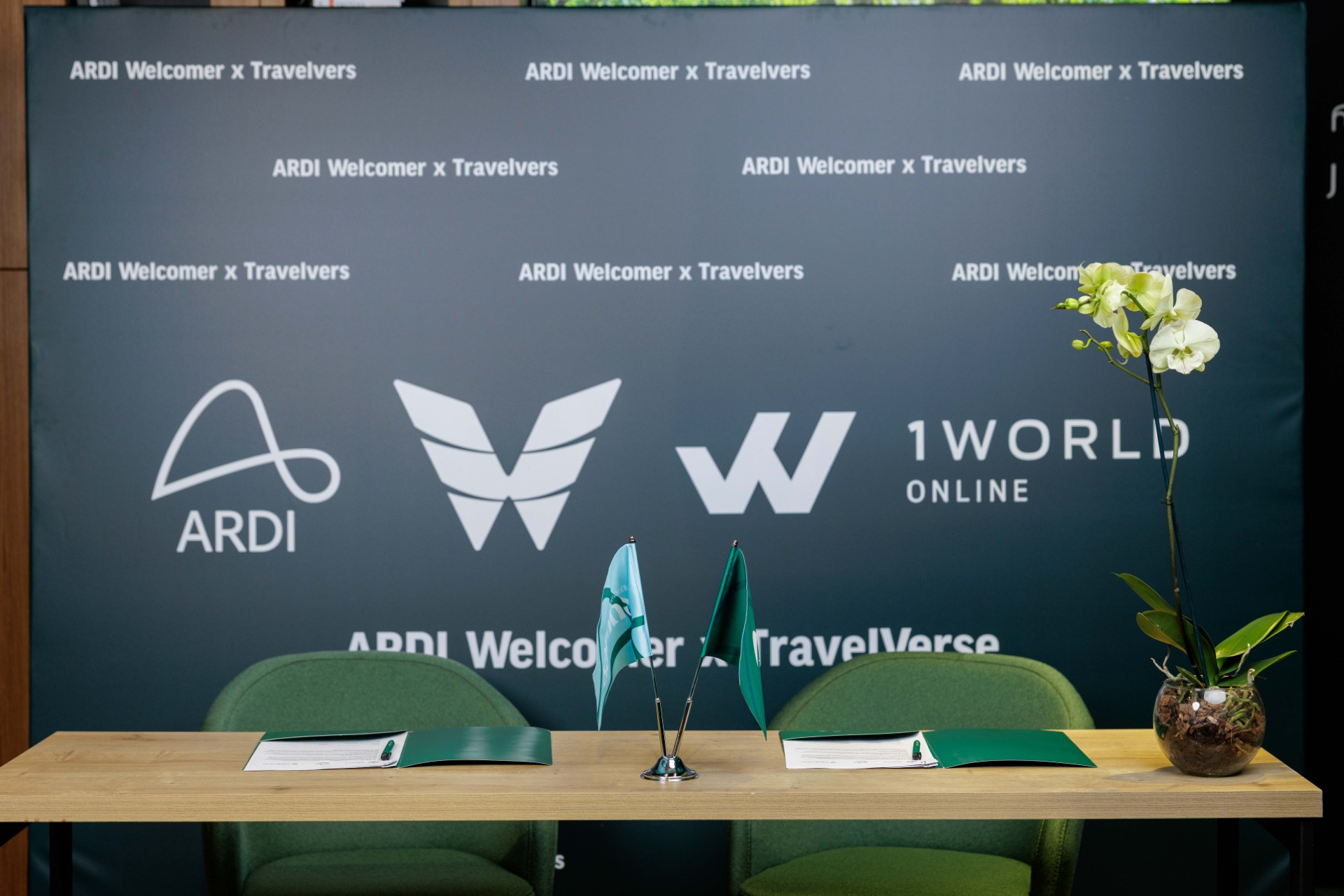
This partnership strengthens ARDI’s international positioning as a reliable and accessible travel insurance provider, while enabling a fully digital sales and customer engagement channel within the tourism segment and creating a cooperation model based on measurable results. At the same time, 1World Online / TravelVerse strengthens its role as a digital bridge between tourists and service providers, creating an integrated, scalable, and long-term sustainable ecosystem that supports technology-driven development of the tourism sector in Georgia.
 USD 60 Million: Ameriabank Joins Financing of Firebird’s AI Data Center Construction in Armenia
30.03.2026.17:18
USD 60 Million: Ameriabank Joins Financing of Firebird’s AI Data Center Construction in Armenia
30.03.2026.17:18
 Prolonged Disruptions from Middle East Conflict Could Choke Growth and Spur Inflation in Asia and the Pacific: ADB Research
27.03.2026.17:00
Prolonged Disruptions from Middle East Conflict Could Choke Growth and Spur Inflation in Asia and the Pacific: ADB Research
27.03.2026.17:00
 BioChimPharm Hosts Senior Leadership Delegation from the European Bank for Reconstruction and Development
26.03.2026.16:00
BioChimPharm Hosts Senior Leadership Delegation from the European Bank for Reconstruction and Development
26.03.2026.16:00
 Ambassadori Island Batumi Showcased Visionary Development and Georgia’s Strategic Potential at the Monaco International Investment Forum 2026
25.03.2026.15:44
Ambassadori Island Batumi Showcased Visionary Development and Georgia’s Strategic Potential at the Monaco International Investment Forum 2026
25.03.2026.15:44
 Georgia offers stable, predictable, competitive environment for investment - Georgian Prime Minister
24.03.2026.19:00
Georgia offers stable, predictable, competitive environment for investment - Georgian Prime Minister
24.03.2026.19:00
 The Best Car Rental Company in Tbilisi: Why TripRents is Changing the Game for Travelers
23.03.2026.09:36
The Best Car Rental Company in Tbilisi: Why TripRents is Changing the Game for Travelers
23.03.2026.09:36


